


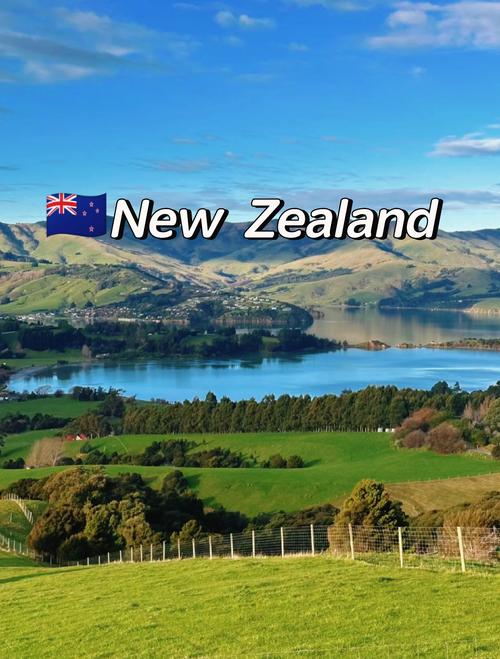
Of course! Here is a comprehensive list of New Zealand's top tourist attractions, organized by region, with English names, brief descriptions, and why they are famous.
(图片来源网络,侵删)
Iconic & Must-See National Parks
These are the crown jewels of New Zealand's tourism, known worldwide for their stunning and unique landscapes.
Milford Sound (Fiordland National Park)
- Description: Often called the "Eighth Wonder of the World," Milford Sound is a fiord in the southwest of New Zealand's South Island. It's characterized by towering Mitre Peak, cascading waterfalls (like Stirling and Sutherland Falls), and pristine waters. It's a hub for boat cruises, kayaking, and scenic flights.
- Why it's famous: Its dramatic, glacier-carved landscape is considered one of the most beautiful places on Earth. It's easily accessible and offers a breathtaking experience year-round.
Queenstown
- Description: Known as the "Adventure Capital of the World," Queenstown is a vibrant resort town situated on the shores of Lake Wakatipu, surrounded by the Southern Alps. It offers a stunning mix of alpine scenery and thrilling activities.
- Why it's famous: It's the birthplace of bungee jumping. Visitors can also enjoy jet boating, skydiving, skiing, and world-class hiking trails like the Routeburn Track. The town itself is incredibly scenic and lively.
Abel Tasman National Park
- Description: Located at the top of the South Island, this park is famous for its golden-sand beaches, clear turquoise water, and lush coastal native forest. It's New Zealand's smallest national park but one of its most popular.
- Why it's famous: It's the perfect destination for sea kayaking, hiking (the Abel Tasman Coast Track is one of New Zealand's Great Walks), and simply relaxing in a beautiful, sun-drenched coastal environment.
Tongariro National Park
- Description: New Zealand's oldest national park and a dual UNESCO World Heritage Site (for both its natural and cultural significance). It's a dramatic volcanic landscape with three active volcanoes: Ruapehu, Ngauruhoe, and Tongariro.
- Why it's famous: The Tongariro Alpine Crossing is widely regarded as one of the best one-day hikes in the world. The park's otherworldly terrain was used as a filming location for Mordor in The Lord of the Rings trilogy.
Aoraki / Mount Cook National Park
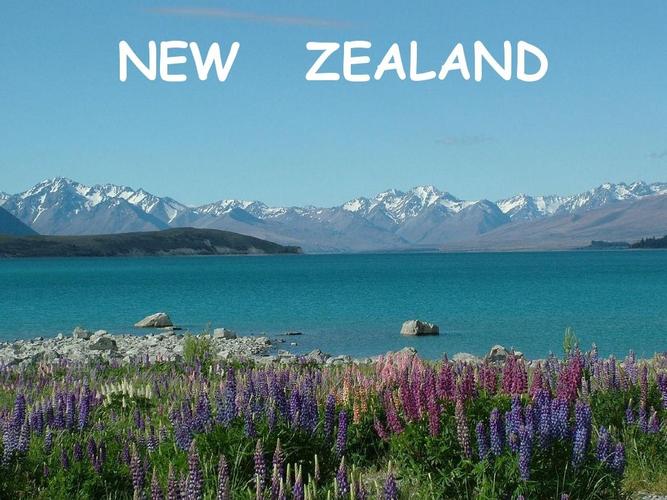
- Description: Home to New Zealand's highest peak, Aoraki / Mount Cook (3,724 meters / 12,218 ft). The park is a alpine wonderland of glaciers, snow-capped peaks, and the beautiful turquoise waters of Lake Pukaki and Lake Tekapo.
- Why it's famous: It offers world-class mountaineering, hiking, and stargazing. The Hooker Valley Track is a relatively easy but spectacular walk that ends with a view of the glacier and Mount Cook.
Geothermal Wonders
These areas showcase New Zealand's unique and powerful geothermal activity.
Rotorua
- Description: A city in the Bay of Plenty region, Rotorua is the heart of New Zealand's geothermal activity. It's famous for its bubbling mud pools, geysers (like the famous Pohutu Geyser at Whakarewarewa), and natural hot springs (pools).
- Why it's famous: It's a center for Māori culture, with opportunities to experience traditional performances (Māori cultural performances) and hangi (a traditional feast cooked in an earth oven). The strong "rotten egg" smell of sulfur is a memorable part of the experience.
Wai-O-Tapu Thermal Wonderland
- Description: Located just outside Rotorua, this is a geothermal wonderland with a collection of New Zealand's most unique and colourful geothermal features.
- Why it's famous: Home to the Champagne Pool, a vibrant orange and yellow hot spring, the Lady Knox Geyser, which erupts daily at 10:15 AM, and the Artist's Palette, a series of colourful, mineral-rich pools.
Cities & Urban Attractions
Auckland
- Description: New Zealand's largest city, known as the "City of Sails" due to its stunning harbour, which is dotted with hundreds of yachts.
- Why it's famous: It's a major gateway for international visitors. Key attractions include the Sky Tower for panoramic views, the Harbour Bridge (for bungee jumping or climbing), and the diverse neighborhoods of Ponsonby and Devonport. It's also a base for exploring the wider Auckland Region, including the stunning Waitakere Ranges and the Hauraki Gulf islands.
Wellington
- Description: The capital of New Zealand, located at the southern tip of the North Island. It's nestled in a beautiful harbour surrounded by green hills.
- Why it's famous: It's the cultural heart of the country, home to the Te Papa Tongarewa Museum (New Zealand's national museum), a vibrant café and craft beer scene, and the Weta Workshop (famous for its movie special effects). It's also the departure point for the iconic Interislander Ferry to the South Island.
Coastal Scenery & Beaches
Bay of Islands
- Description: A subtropical micro-region in the far north of the North Island, consisting of over 140 islands.
- Why it's famous: It's a paradise for sailing, fishing, and dolphin-watching. The historic Treaty of Waitangi was signed here, making it a significant cultural site. The Hole in the Rock on Piercy Island is a must-see boat trip destination.
Franz Josef & Fox Glaciers
- Description: Two spectacular glaciers located on the West Coast of the South Island. They are unique because they descend from the Southern Alps and end just 300 meters above sea level, in a temperate rainforest.
- Why it's famous: They are among the most accessible glaciers in the world. Visitors can take guided hikes onto the ice, helicopter flights for stunning aerial views, or walk to viewpoints at the glacier face.
Other Notable Attractions
- Waitomo Glowworm Caves: A cave system on the North Island famous for its population of glowworms, which create a starry sky-like effect on the cave ceiling. Visitors take boat rides through the dark to see this magical sight.
- Hobbiton Movie Set (Matamata): The original and still-intact movie set from The Lord of the Rings and The Hobbit trilogies. A guided tour takes you through the rolling hills of the Shire, complete with hobbit holes and the Green Dragon Inn.
- Pancake Rocks & Blowholes (Punakaiki): A unique rock formation on the West Coast that resembles stacks of pancakes. At high tide, sea water is forced through holes in the rocks, creating spectacular blowholes and geysers.
- Catlins Coast: A rugged and scenic coastal area in the southeastern corner of the South Island, known for its native forests, waterfalls, wildlife (sea lions, penguins, dolphins), and lighthouses.
Summary Table
| Attraction Name | Location / Region | Best For / Key Feature |
|---|---|---|
| Milford Sound | Fiordland National Park (South Island) | Scenic cruises, waterfalls, dramatic fiords |
| Queenstown | Otago (South Island) | Adventure sports (bungee, skiing), nightlife |
| Abel Tasman National Park | Nelson/Tasman (South Island) | Kayaking, golden beaches, coastal walks |
| Tongariro National Park | Manawatū-Whanganui (North Island) | Volcanic landscapes, the Tongariro Alpine Crossing hike |
| Aoraki / Mount Cook | Canterbury (South Island) | New Zealand's highest peak, alpine hiking, stargazing |
| Rotorua | Bay of Plenty (North Island) | Geothermal wonders (geysers, mud pools), Māori culture |
| Auckland | Auckland Region (North Island) | "City of Sails," Sky Tower, gateway city |
| Wellington | Wellington Region (North Island) | Capital city, Te Papa Museum, culture |
| Bay of Islands | Northland (North Island) | Sailing, fishing, dolphin-watching, history |
| Franz Josef Glacier | West Coast (South Island) | Hiking on a temperate glacier, scenic flights |
No matter what you're interested in—from epic adventure and serene nature to rich culture and unique landscapes—New Zealand has a world-class attraction waiting for you.
(图片来源网络,侵删)