

Of course! Here is a comprehensive English introduction to Changchun's top tourist attractions, designed for travelers. It includes an overview, detailed descriptions of key sites, and practical tips.
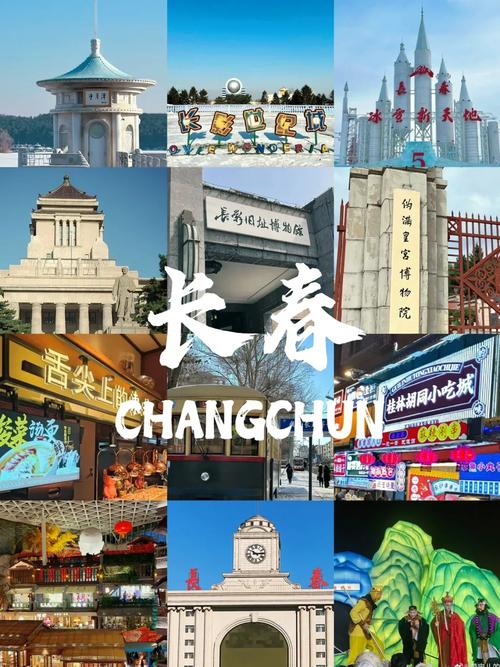
Welcome to Changchun: The "Spring City" of History and Modernity
Welcome to Changchun, a vibrant capital city in Jilin Province. Known as the "Spring City" (长春) for its pleasant spring-like summers, Changchun offers a fascinating journey through time. It was once the bustling capital of the Japanese puppet state of Manchukuo, a period that left behind a unique, imposing architectural legacy. Today, it's a modern metropolis and a hub for China's automotive industry. This blend of imperial history, Soviet-era influence, and contemporary energy makes Changchun a truly unique destination.
Here are the must-visit attractions that showcase the city's diverse character.
Top Tourist Attractions in Changchun
The Former Imperial Palace of Manchukuo (伪满皇宫博物院)
This is arguably the most significant and historically profound site in Changchun. It was the official residence and administrative center for Puyi, the last emperor of China, who served as the puppet emperor of Manchukuo under Japanese control from 1932 to 1945.
- Why Visit: It provides a crucial, sobering look into a dark chapter of 20th-century Chinese and Japanese history. The complex is not just a single palace but a large compound with different architectural styles, reflecting the political ambitions and contradictions of the era.
- Key Features:
- The Inner Court (内廷): The private living quarters for Puyi and his consorts. This area is more intimate and has a distinct blend of Chinese, Japanese, and even European architectural elements.
- The Outer Court (外廷): The formal administrative buildings where state affairs were handled. The architecture here is grander and more imposing, designed to project an image of legitimacy.
- The Jilin Provincial Museum: Located within the same complex, this museum provides broader context about the history of Jilin Province and the Manchurian region.
- Visitor Tips: Allow at least 2-3 hours to explore the entire complex. An English audio guide is highly recommended to fully understand the historical significance of each building. The site is a powerful reminder of the past and a place for quiet reflection.
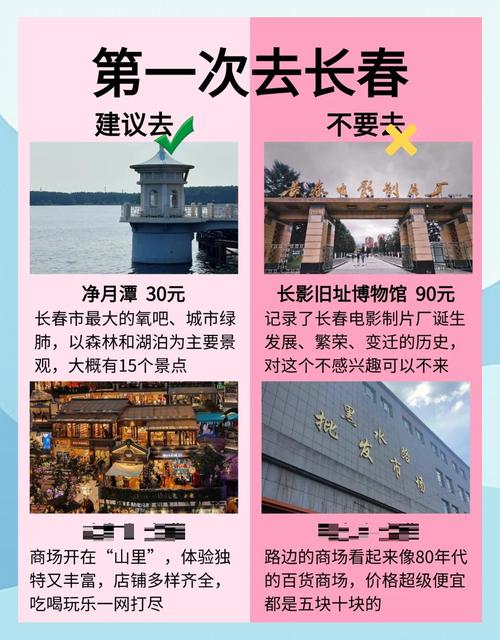
Jingyue Lake (净月潭国家森林公园)
If you need a break from the city's history and urban landscape, Jingyue Lake is the perfect escape. It's a massive national forest park centered around a beautiful reservoir, often compared to a "green lung" for Changchun.
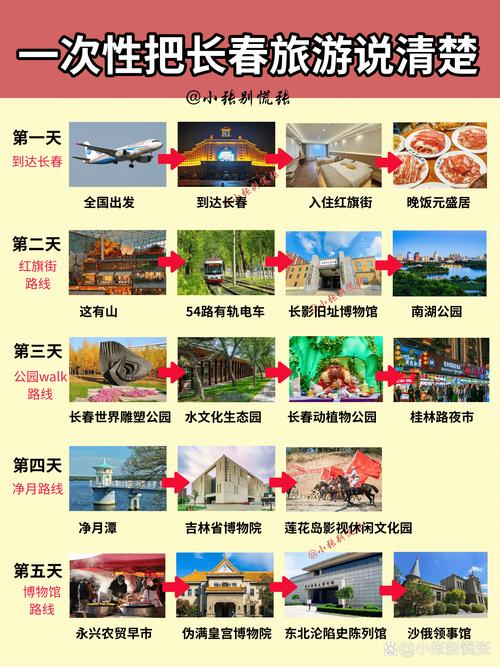
- Why Visit: It's the largest artificial forest in Asia and offers a wide range of outdoor activities. Whether you're into hiking, skiing, or just want to relax in nature, Jingyue Lake has something for you.
- Key Features:
- Scenic Beauty: The lake is surrounded by lush forests, making it ideal for hiking, cycling, and photography. In autumn, the foliage is spectacular.
- Seasonal Activities:
- Summer: Boating, swimming, and camping.
- Winter: The park transforms into a popular ski resort with well-maintained slopes for skiing and snowboarding. You can also try ice skating on the frozen lake.
- Taoist Temple (净月潭太极): A serene and beautifully situated temple on the lakeshore, offering a peaceful spot for contemplation.
- Visitor Tips: Wear comfortable shoes for walking or hiking. You can rent bicycles or take the park's sightseeing bus to get around. It's a great place to spend a full day or half a day.
Changchun Film Studio (长春电影制片厂)
As the birthplace of China's film industry, this studio is a must-visit for movie buffs and those interested in Chinese culture. It's not just a working studio but also a large theme park that celebrates the golden age of Chinese cinema.
- Why Visit: It offers a nostalgic and fun trip back to the mid-20th century. You can see where iconic films were made, explore film sets, and learn about the history of Chinese moviemaking.
- Key Features:
- Film History Exhibition Hall: Learn about the studio's legacy and its most famous productions.
- Themed Streets and Sets: Wander through replicas of old Chinese towns, European-style streets, and ancient courtyards that have been used in countless films.
- Performances and Shows: Check the schedule for live performances, stunts, and special effects shows.
- Visitor Tips: The complex is large, so plan for at least half a day. It's a very family-friendly attraction with many photo opportunities.
Nanhu Park (南湖公园)
Located in the heart of the city, Nanhu Park is Changchun's oldest and most central park. It's a classic example of a Chinese urban park, offering a peaceful retreat for locals and tourists alike.
- Why Visit: It's a great place to experience the daily life of Changchun's residents. You can see people practicing tai chi, dancing, boating on the lake, and simply relaxing.
- Key Features:
- Boating: Rent a paddle boat or a larger rowboat to enjoy the lake.
- Pavilions and Bridges: Traditional Chinese architecture adds to the park's charm.
- Local Atmosphere: The park is especially lively in the morning and evening.
- Visitor Tips: It's easily accessible and a perfect place for a leisurely stroll. Visit in the evening to see the park illuminated.
Monument of the Eight Routes (八大部遗址)
These are the ruins of several grand government buildings constructed during the Manchukuo period. They are located near the Nanhu Park area and are known for their impressive, imposing architecture.
- Why Visit: While the Imperial Palace was the residence, these buildings were the seat of power. They showcase the monumental and often Western-influenced architecture favored by the Manchukuo regime.
- Key Features:
- Architectural Style: The buildings blend elements of Japanese, Manchu, and European (especially neoclassical) design.
- Key Buildings: The ruins of the State Council, the Ministry of Foreign Affairs, and the "Xiao Zhu Shan" (Little Zhu Mountain) are the most prominent.
- Location: Many of these sites are now part of the campus of Jilin University, creating a unique blend of history and academia.
- Visitor Tips: This is more of an architectural and historical tour. It's best visited in conjunction with Nanhu Park. The scale and style of the buildings are what make them impressive.
Travel Tips for Changchun
- Best Time to Visit: The best seasons are spring (April-May) and autumn (September-October) when the weather is mild and pleasant. Winter (December-February) is long and very cold, but it's a great time for winter sports at Jingyue Lake.
- Getting Around: Changchun has an efficient and expanding Metro (Subway) system that connects major attractions. Taxis and ride-hailing apps (like Didi) are also widely available and affordable.
- Cuisine: Don't leave Changchun without trying its famous local dishes:
- Guancai (官菜): A braised dish made with pork, vermicelli, and various vegetables, known for its rich, savory flavor.
- Changchun Roasted Chicken Legs (长春烤鸡爪): A popular and spicy street food snack.
- Northeastern Hot Pot (东北火锅): A hearty and communal dining experience, perfect for the cold winters.
- Language: While English is not widely spoken outside of major hotels and tourist sites, learning a few basic Mandarin phrases can be helpful. The use of translation apps is very common.
Changchun is a city of contrasts, where solemn history meets vibrant modernity. We hope you enjoy your exploration of this unique "Spring City"