


Of course! Here is a comprehensive guide to popular South Korean tourist attractions, written in English. It's structured to be useful for travelers, students, or anyone interested in Korean culture.
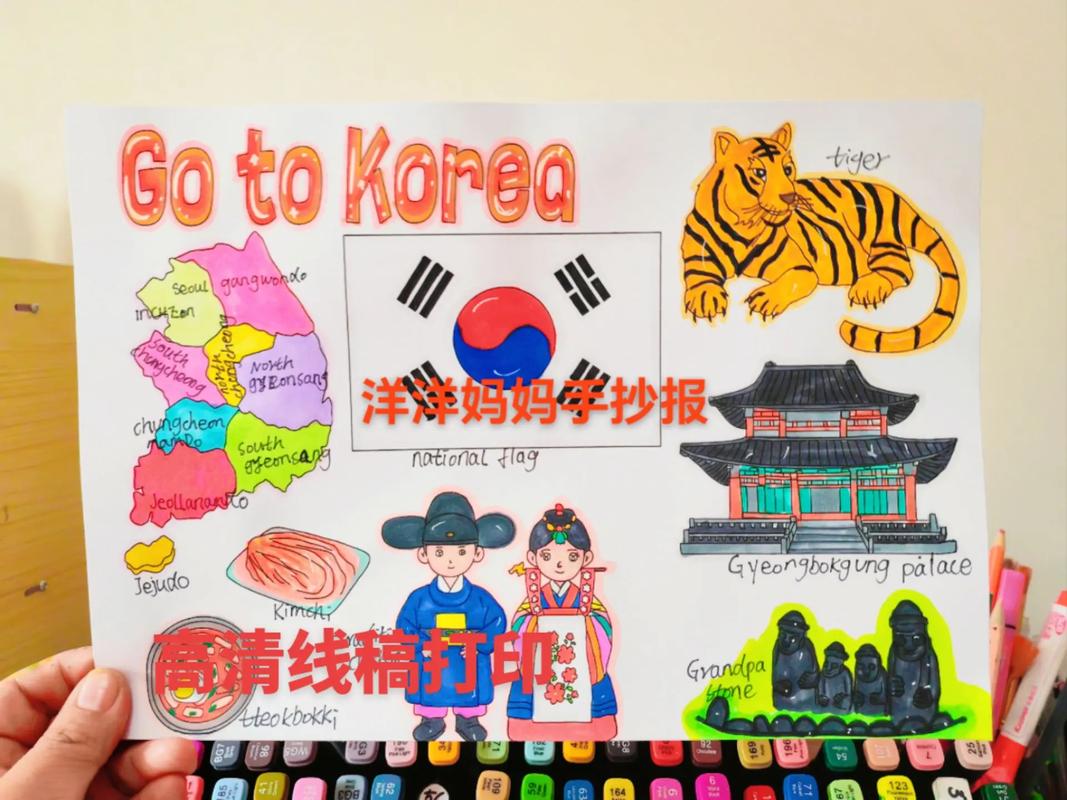
(图片来源网络,侵删)
A Tourist's Guide to South Korea: Top Attractions in English
South Korea, a fascinating blend of ancient traditions and cutting-edge modernity, offers a unique travel experience. From the bustling streets of Seoul to the serene temples of the mountains and the beautiful coastal villages, there's something for every type of traveler.
Here are some of the top tourist attractions, categorized for your convenience.
Seoul: The Heart of Korea
Seoul is a dynamic metropolis where centuries-old palaces stand alongside skyscrapers and vibrant shopping districts.
a) Gyeongbokgung Palace (경복궁)
- English Description: As the grandest of Seoul's five royal palaces, Gyeongbokgung is a must-visit. Built in 1395, it was the main seat of power for the Joseon Dynasty. The palace is famous for its impressive gates, like the iconic Gwanghwamun Gate, and the changing of the royal guard ceremony, which is held several times a day. Visitors can rent traditional Korean hanbok (clothing) for free and explore the vast grounds, feeling like they've stepped back in time.
- Why Visit: It offers the most authentic and majestic glimpse into Korea's royal history.
- Pro-Tip: Arrive early to watch the gate-opening ceremony. Check the official website for the schedule, as the palace is closed on Tuesdays.
b) Bukchon Hanok Village (북촌 한옥마을)
- English Description: Nestled between Gyeongbokgung Palace and Changdeokgung Palace, Bukchon is a traditional residential village with hundreds of hanok (traditional Korean houses). While still a living neighborhood, it has become a famous cultural spot. The best way to experience it is by walking along the designated uphill paths. The charming tile-roofed houses, serene cafes, and craft shops create a picturesque and peaceful atmosphere.
- Why Visit: To see a beautifully preserved example of traditional Korean architecture and lifestyle.
- Pro-Tip: Visit early in the morning or later in the evening to avoid large tourist crowds and get the best photos without people.
c) Myeongdong (명동)
- English Description: Myeongdong is Seoul's premier shopping and beauty district. It's a vibrant, energetic area packed with flagship stores, cosmetic shops (like Innisfree and Etude House), fashion outlets, and countless street food stalls. At night, the neon lights create a dazzling spectacle. It's the perfect place to shop for K-beauty products, trendy clothes, and enjoy delicious local snacks like tteokbokki (spicy rice cakes) and hotteok (sweet pancakes).
- Why Visit: For the ultimate shopping and street food experience in the heart of the city.
- Pro-Tip: Visit the Lotte Duty Free flagship store and the N Seoul Tower for breathtaking night views of the city.
d) Insadong (인사동)
- English Description: Insadong is Seoul's cultural heart, known for its traditional craft shops, art galleries, tea houses, and ancient alleys. It's the best place to buy unique souvenirs like traditional Korean pottery (hanji), fans, and calligraphy sets. The area is more relaxed and artistic compared to Myeongdong. Don't miss Ssamziegil, a complex of unique shops and studios.
- Why Visit: To immerse yourself in traditional Korean arts and crafts and find one-of-a-kind gifts.
- Pro-Tip: Try traditional Korean tea at one of the many tea houses for a calming break from shopping.
Beyond Seoul: Cultural & Natural Wonders
a) DMZ (Demilitarized Zone) (비무장지대)
- English Description: The DMZ is a 250 km-long and 4 km-wide strip of land that serves as a buffer zone between North and South Korea. It is a unique and somber tourist destination, offering a glimpse into the ongoing division of the peninsula. Key sites include the 3rd Infiltration Tunnel (discovered by South Korea), Dora Observatory (where you can look into North Korea with binoculars), and Dorasan Station, the northernmost stop on the Seoul-Kyeongui railway.
- Why Visit: For a powerful historical and political experience unlike any other in the world.
- Pro-Tip: Tours are mandatory and must be booked in advance through a registered agency. Bring your passport.
b) Jeju Island (제주도)
- English Description: A volcanic island off the southern coast, Jeju is Korea's premier vacation destination, often called the "Island of the Gods." It's famous for its stunning natural beauty, including beautiful beaches, waterfalls, hiking trails (like Hallasan Mountain, a dormant volcano), and unique lava tube systems. It's also a UNESCO World Heritage site.
- Why Visit: For a relaxing beach getaway, outdoor adventures, and beautiful scenery.
- Pro-Tip: Rent a car to explore the island at your own pace. Don't miss the beautiful coastal views along the Olle Trails.
c) Gyeongju (경주)
- English Description: Often called Korea's "museum without walls," Gyeongju was the capital of the Silla Kingdom (57 BC - 935 AD), which unified the Korean peninsula. The city is filled with ancient tombs, temples, and ruins. Key attractions include the Cheomseongdae Observatory (the oldest existing astronomical observatory in Asia), Bomun Lake, and the magnificent Bulguksa Temple, another UNESCO site.
- Why Visit: To explore the deep roots of Korean civilization and history.
- Pro-Tip: Rent a bicycle to easily get around the flat and spacious park areas near the tombs and lake.
K-Culture & Entertainment Hubs
a) Gangnam District (강남구)
- English Description: Made globally famous by PSY's "Gangnam Style," this upscale district is the center of modern Korean business, fashion, and entertainment. It's home to luxury brand stores, high-end restaurants, and the COEX Mall, one of the world's largest underground shopping malls. The area also has a vibrant nightlife with numerous bars and clubs.
- Why Visit: To experience the modern, affluent side of Seoul and its pop culture influence.
- Pro-Tip: Visit Starfield Library inside COEX for an Instagram-worthy experience.
b) Hongdae (홍대) & Itaewon (이태원)
- English Description:
- Hongdae: Surrounding Hongik University, this area is the epicenter of youth culture, indie music, and street art. You'll find countless live music clubs, unique cafes, and talented street performers. It's a lively and energetic hub, especially at night.
- Itaewon: Historically known as Seoul's international district, Itaewon offers a diverse mix of restaurants serving food from all over the world. It has a more laid-back and international vibe, with a large expat community.
- Why Visit: For nightlife, live music, and a multicultural atmosphere.
- Pro-Tip: In Hongdae, check the schedules for free street performances. In Itaewon, explore the many hidden bars and alleys.
Quick Tips for Travelers in Korea
- Transportation: The T-money card is essential. It's a rechargeable card used for subways, buses, and even taxis. It's convenient and often offers a small discount.
- Language: While the official language is Korean, English is widely spoken and understood in tourist areas, hotels, and by younger generations. Learning a few basic Korean phrases like "Annyeong haseyo" (Hello) and "Gamsahamnida" (Thank you) is highly appreciated.
- Food: Korean cuisine is delicious and diverse. Don't be afraid to try local specialties like Kimchi, Bibimbap, Bulgogi (marinated beef), and Samgyeopsal (grilled pork belly). Many restaurants offer all-you-can-eat options.
- Etiquette: When receiving or giving something with two hands, it shows respect. Also, remove your shoes when entering a Korean home or a traditional guesthouse (jimjilbang).
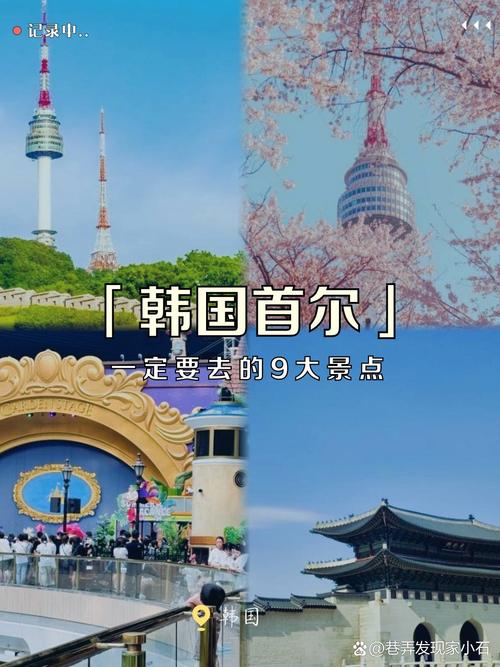
(图片来源网络,侵删)