


Of course! Here is a comprehensive English introduction to Beijing's top tourist attractions, organized by category for easy reference. It includes a brief overview, key highlights, and practical tips for each.
A Comprehensive Guide to Beijing's Top Tourist Attractions
Welcome to Beijing, the magnificent capital of China, where a 3,000-year history blends seamlessly with a futuristic skyline. This city is a living museum, offering an unparalleled journey through time. Here are the must-visit attractions that define the heart and soul of this incredible metropolis.
The Great Wall of China (长城)
No trip to Beijing is complete without visiting the Great Wall. This monumental feat of ancient engineering is one of the most iconic symbols of China and a UNESCO World Heritage Site.
- Brief Introduction: Stretching over 21,000 km (13,000 miles), the Great Wall was built over several dynasties to protect Chinese states from invasions. While sections exist across northern China, those near Beijing are the most famous and accessible.
- Key Highlights:
- Mutianyu (慕田峪): Known for its stunning, well-preserved architecture and lush surroundings. It's less crowded than Badaling and offers a more scenic experience. You can take a cable car up and a thrilling luge (toboggan) down.
- Badaling (八达岭): The most famous and fully restored section, easily accessible from the city. It was the first section opened to tourists and offers magnificent, sweeping views. Be prepared for large crowds.
- Jinshanling (金山岭): Perfect for hikers. This section is famous for its "watchtowers"—over 120 of them, each with a unique design. The hike from Jinshanling to Simatai is a classic and rewarding trek.
- Why Visit: To walk on a piece of history, witness breathtaking mountain vistas, and understand the sheer scale and ambition of ancient China.
The Forbidden City (故宫)
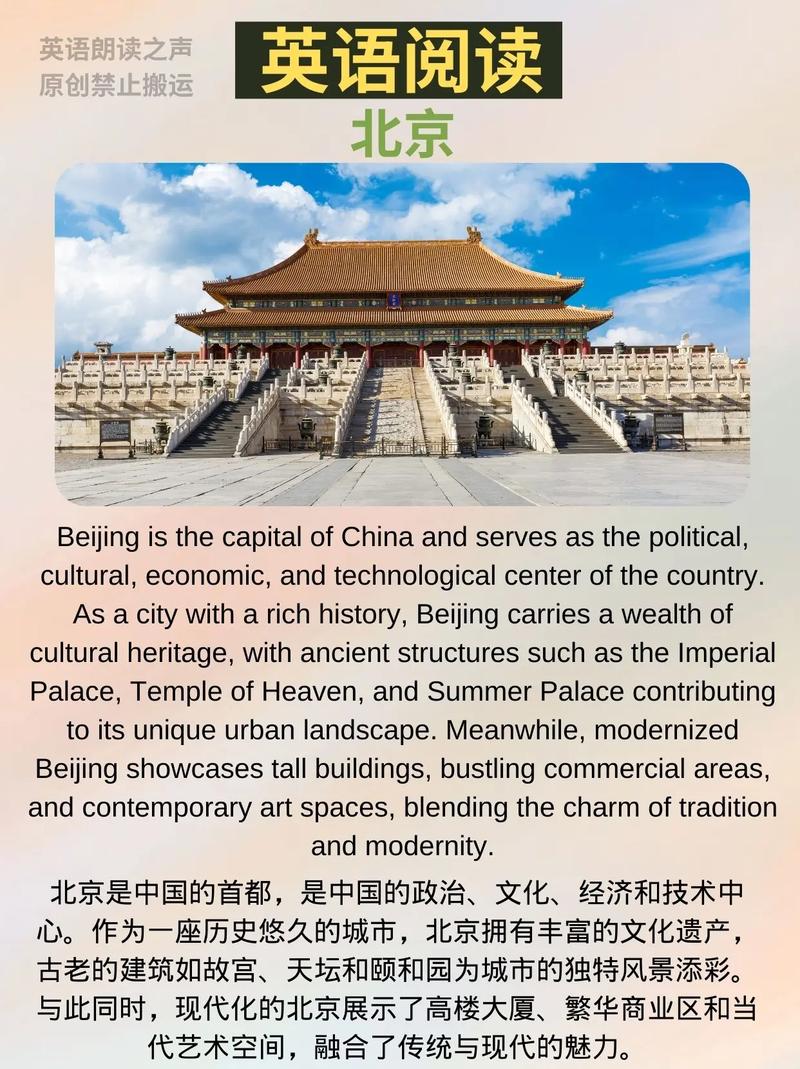
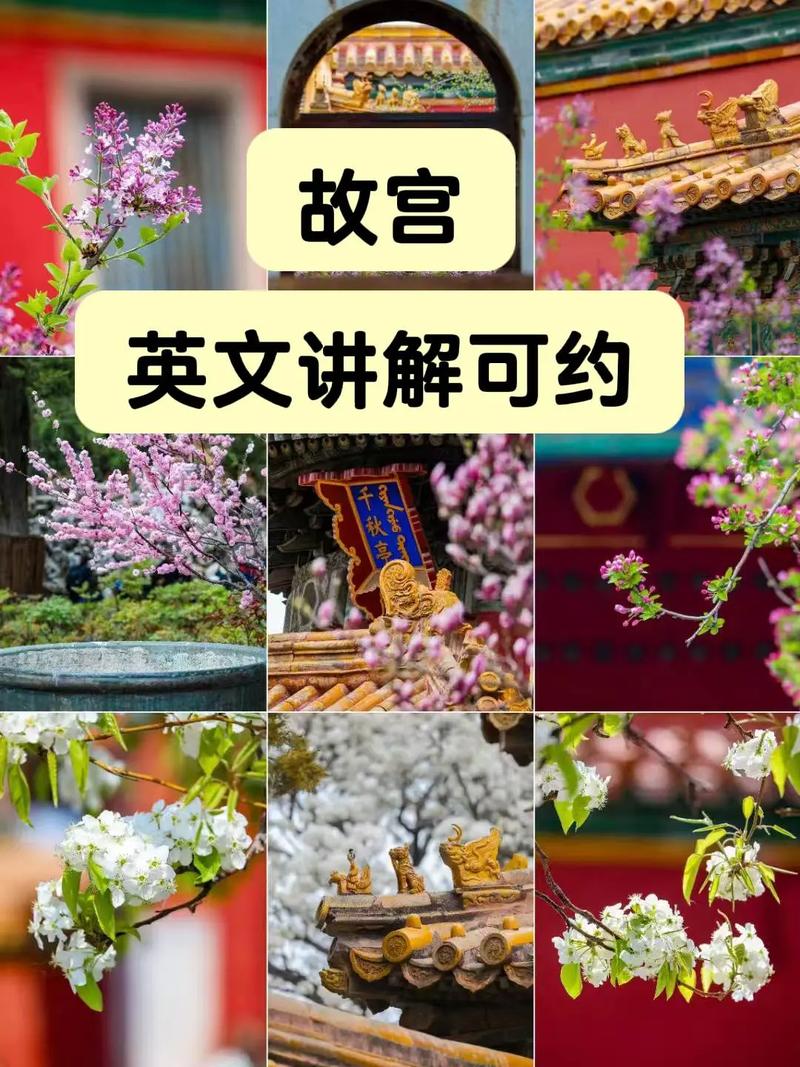
Located in the heart of Beijing, the Forbidden City, also known as the Palace Museum, is the world's largest and best-preserved ancient wooden structure complex.
- Brief Introduction: For nearly 500 years, this was the exclusive home of 24 emperors of the Ming and Qing dynasties. Its name reflects that it was off-limits to the public for centuries. Today, it's a treasure trove of Chinese art, history, and imperial architecture.
- Key Highlights:
- Hall of Supreme Harmony (太和殿): The largest and most important hall, where emperors held grand ceremonies and enthronement rituals.
- Imperial Garden (御花园): A tranquil oasis at the northern end of the complex, featuring ancient trees, rockeries, and pavilions.
- The Palace Museum Collection: Houses over 1.8 million artifacts, including ancient paintings, ceramics, jade, and imperial costumes.
- Why Visit: To immerse yourself in the opulence and power of imperial China, marvel at intricate architectural details, and wander through a palace that once ruled the Middle Kingdom.
Tiananmen Square (天安门广场)
Flanked by significant political and cultural buildings, Tiananmen Square is the world's largest public square and an iconic symbol of modern China.

- Brief Introduction: This vast plaza has been the center of many pivotal moments in Chinese history. It is a place of immense political and cultural significance.
- Key Highlights:
- Monument to the People's Heroes: A towering obelisk commemorating those who died in the revolutionary struggles.
- Mausoleum of Mao Zedong: The final resting place of the founder of the People's Republic of China. (Note: Entry requires strict security checks and is often closed for maintenance).
- The Great Hall of the People: China's parliament building, and the National Museum of China, which traces the country's history from ancient times to the present.
- Why Visit: To experience the scale and grandeur of this historic space, watch the flag-raising ceremony at dawn, and understand the modern political heart of China.
The Summer Palace (颐和园)
A masterpiece of Chinese landscape garden design, the Summer Palace was a royal retreat for emperors to escape the summer heat of the city.
- Brief Introduction: This vast ensemble of lakes, gardens, and palaces is a UNESCO World Heritage Site. It perfectly integrates natural beauty with artificial architecture.
- Key Highlights:
- Kunming Lake: A huge man-made lake covering three-quarters of the palace grounds. You can take a relaxing boat ride across its waters.
- The Long Corridor (长廊): A 728-meter covered walkway featuring over 14,000 intricate paintings on its beams and ceilings.
- The Marble Boat (石舫): A unique European-style stone boat that sits on the edge of the lake, a gift from Empress Dowager Cixi.
- Why Visit: To enjoy a peaceful day strolling through beautiful gardens, admiring stunning views of Kunming Lake, and appreciating the harmonious blend of nature and artistry.
Temple of Heaven (天坛)
This complex of religious buildings is where emperors of the Ming and Qing dynasties performed solemn ceremonies to pray for good harvests.
- Brief Introduction: A masterpiece of Ming Dynasty architecture, the Temple of Heaven is a symbol of the relationship between heaven and earth. The design is rich with cosmological symbolism.
- Key Highlights:
- The Hall of Prayer for Good Harvests (祈年殿): The iconic triple-gabled structure with its magnificent blue-tiled roof, supported by 28 pillars representing the seasons and constellations.
- The Circular Mound Altar (圜丘坛): A marble platform where the emperor would pray directly to the heavens. Its design is based on the number nine, a symbol of the emperor.
- Echo Wall (回音壁): A circular wall that cleverly allows a person whispering at one end to be heard clearly by someone at the other end.
- Why Visit: To witness the spiritual and architectural pinnacle of imperial sacrificial rites, and to see local Beijingers practicing tai chi, singing, and playing chess in the surrounding park.
The Hutongs (胡同)
These ancient, narrow alleyways form the heart of old Beijing. They offer a glimpse into the traditional lifestyle of the city's residents.
- Brief Introduction: For centuries, hutongs were the residential neighborhoods of commoners and nobles alike. They are lined with traditional courtyard residences called Siheyuan.
- Key Highlights:
- Nanluoguxiang (南锣鼓巷): A restored and commercialized hutong, perfect for shopping, trying street food, and experiencing a trendy take on traditional culture.
- Qianmen (前门): A historic area south of Tiananmen Square, featuring restored traditional architecture and famous old shops.
- Drum and Bell Tower Area: A charming maze of authentic hutongs where you can take a traditional rickshaw ride and visit a local family's courtyard.
- Why Visit: To escape the modern city, get lost in a maze of history, savor local snacks like Jianbing (Chinese crepe), and experience the slower pace of traditional Beijing life.
798 Art District (798艺术区)
A striking contrast to the ancient sites, 798 is a vibrant center for contemporary art, design, and culture.
- Brief Introduction: Housed in decommissioned military factory buildings from the 1950s, this area has been transformed into one of the world's most dynamic art districts. Its unique Bauhaus-style architecture is a major attraction in itself.
- Key Highlights:
- Galleries and Museums: Home to hundreds of galleries, art centers, and design studios showcasing works by both established and emerging Chinese and international artists.
- Street Art and Installations: The streets, walls, and open spaces are filled with colorful murals and innovative art installations.
- Boutiques and Cafés: Explore unique design shops, bookstores, and enjoy a coffee in a stylish café set within an old factory space.
- Why Visit: To experience the pulse of modern Beijing's creative scene, admire unique architecture, and see how China's contemporary art world is flourishing.
Practical Tips for Tourists
- Best Time to Visit: Spring (April-May) and Autumn (September-October) offer the most pleasant weather. Winters are cold but dry, and summers are hot and humid.
- Getting Around: The Beijing Subway is extensive, clean, efficient, and the best way to get around the city. Taxis and ride-hailing apps (Didi) are also widely available.
- Language: While English is spoken in major tourist areas, it's helpful to have your hotel's address written in Chinese. Download a translation app.
- Food: Don't miss the local cuisine! Try Peking Duck (Quanjude or Bianyifang), Zhajiangmian (noodles with soybean paste), and Dumplings (Jiaozi).
Enjoy your unforgettable journey to Beijing!